Master Microblading Recovery with These Tips in Clermont FL
Microblading Healing Tips for Perfect Brows in Clermont: Expert Aftercare Guidance
Microblading gives precise, low-maintenance brows, but healing determines the final result. Proper aftercare preserves shape and color. This guide reviews initial care, ongoing routines, and long-term maintenance for Clermont, Florida, and explains how local climate can influence recovery and which products support healing.
Expert Aftercare Guidance:
Aftercare affects healing and pigment longevity; follow these steps to improve appearance and retain color.
Initial Care (Days 1-3):
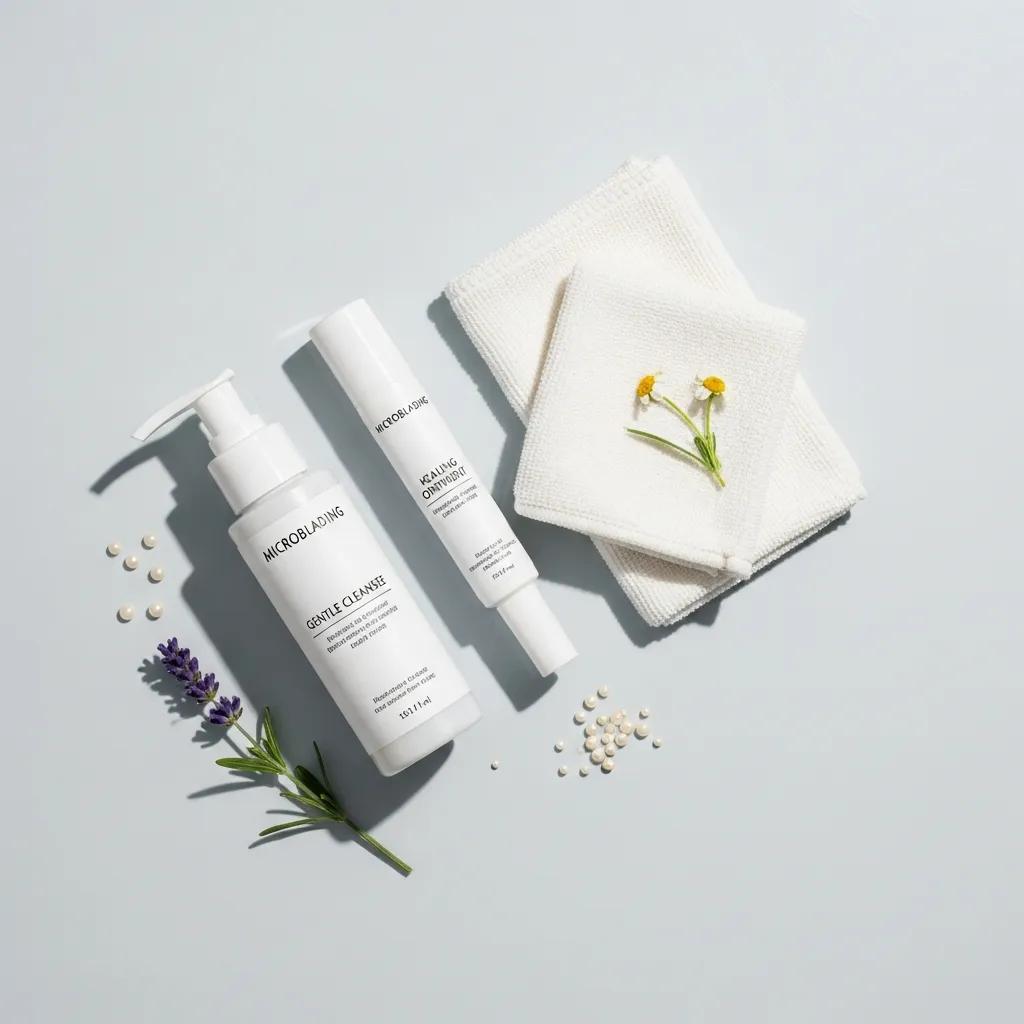
In the first few days after your procedure, your skin is extra sensitive. Treat the area gently and avoid irritation.
- Clean the Area Gently: Use a mild, fragrance-free cleanser to clean the brow area without scrubbing.
- Avoid Heavy Sweating: Refrain from intense workouts or activities that cause excessive sweating, as moisture can affect the healing process.
- Apply Healing Ointment: Use a recommended healing ointment to keep the area moisturized and promote healing.
These steps reduce infection risk and help pigment settle evenly.
Ongoing Care (Days 4-14):
As your brows heal, keep a simple, consistent routine to support recovery.
- Continue Cleaning: Gently clean the area daily to remove any buildup of oils or dirt.
- Avoid Picking at Scabs: Let any scabs fall off naturally to prevent scarring and loss of pigment.
- Keep the Area Moisturized: Apply a light layer of healing ointment as needed to keep the skin hydrated.
Maintain these habits to help your brows heal smoothly and retain pigment.
Long-term Care:
After initial healing, simple long-term habits protect your brows and extend results.
- Use Sunscreen Daily: Protect your brows from UV damage by applying sunscreen to the area whenever you are outdoors.
- Schedule Touch-ups: Regular touch-ups are recommended to maintain the color and shape of your brows, typically every 12-18 months.
Sunscreen and scheduled touch-ups help keep brows vibrant and well defined.
Healing Timelines:
Knowing the typical timeline helps you set realistic expectations after microblading.
- Days 1-7: The initial healing phase involves redness and slight swelling, with the brows appearing darker than expected.
- Days 8-30: As healing progresses, the color will soften, and any scabbing will begin to flake off, revealing the true color of your brows.
Expect these typical changes during healing.
Common Post-Procedure Care Practices:
Follow a few key practices to protect pigment and skin during recovery.
- Avoid Sun Exposure: Direct sunlight can fade the pigment and irritate the healing skin.
- Do Not Submerge Face in Water: Avoid swimming or soaking your face in water for at least two weeks post-procedure.
Avoid sun and prolonged water exposure to prevent fading and irritation while you heal.
How Long Does the Microblading Brow Healing Process Take in Clermont?
Healing typically takes about 4 to 6 weeks, though individual timelines vary with skin type, aftercare, and other factors. Clermont’s humidity and temperature can influence recovery, so follow aftercare instructions closely.
What Are the Key Healing Stages After Microblading?
The healing process consists of several key stages:
- Initial Healing: Occurs within the first week, characterized by redness and swelling.
- Peeling Stage: Begins around days 5-7, where scabs may form and flake off.
- Settling Phase: After about two weeks, the color will begin to settle into the skin.
These stages guide when to adjust care and aftercare steps.
How Does Clermont’s Climate Affect Brow Healing?
Clermont’s humid climate can impact the healing process of microbladed brows.
- Humidity Effects: High humidity can lead to increased sweating, which may affect the healing of the brows.
- Sun Exposure Considerations: The sunny weather necessitates diligent sun protection to prevent fading and irritation.
Adjust aftercare to manage extra sweat and sun in humid, sunny conditions.
What Are the Best Microblading Aftercare Tips for Optimal Healing?
To achieve the best results from your microblading procedure, consider these top aftercare tips:
- Avoid Strong Skincare Products: Steer clear of products containing acids or retinoids during the healing process.
- Attend Touch-Up Appointments: Schedule your touch-ups as recommended to maintain the shape and color of your brows.
Avoid harsh actives and keep scheduled touch-ups to support optimal healing and long-term results.
Which Products Should You Use for Microblading Healing?
Using the right products can significantly enhance your healing experience. Recommended products include:
- Healing Ointments: Look for products specifically designed for microblading aftercare.
- Gentle Cleansers: Use mild, fragrance-free cleansers to avoid irritation.
Choose ointments and mild, fragrance-free cleansers designed for microblading to reduce irritation and support recovery.
How to Manage Swelling and Redness After Microblading?
Managing swelling and redness is important for comfort during healing. Here are effective strategies:
- Blotting Techniques: Use a clean, soft cloth to gently blot the area if it becomes excessively swollen.
- Ointment Application: Apply a thin layer of healing ointment to soothe the skin and reduce inflammation.
Gently blot excess fluid and apply a thin layer of ointment to ease swelling and soothe the skin.
When and How Should You Schedule Your Microblading Touch-Up in Clermont?
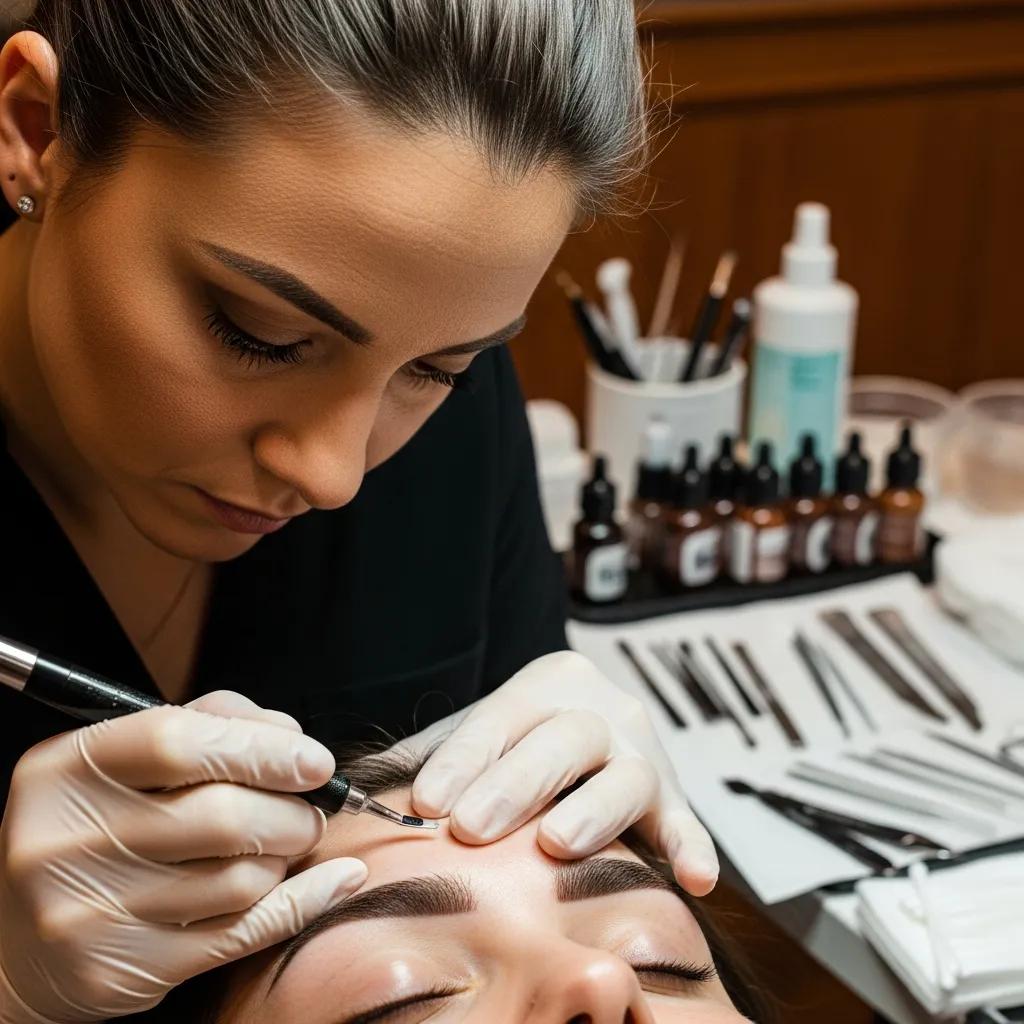
Schedule touch-ups to maintain your microbladed brows and color.
- Timing for Touch-Ups: It is generally recommended to schedule your first touch-up 6-8 weeks after the initial procedure.
- Factors to Consider: Skin type, healing progress, and personal preferences should all be taken into account when planning your touch-up.
Proper timing and consideration of your skin and healing help keep brows fresh and well defined.
Why Is Timing Important for Microblading Touch-Ups?
Timing is crucial for touch-ups because it affects the final appearance of your brows.
- Impact on Appearance: Touching up too early may disrupt the healing process, while waiting too long can lead to fading.
- Longevity of Results: Regular touch-ups help maintain the vibrancy and shape of your brows, ensuring they look their best.
Good timing prevents disruption of healing and helps maintain color and shape over time.
How to Prepare Your Brows for a Successful Touch-Up?
Preparing for your touch-up ensures the best outcome. Here are some tips:
- Follow Aftercare Instructions: Adhere to all aftercare guidelines leading up to your appointment.
- Consult with the Artist: Discuss any concerns or preferences with your microblading artist before the touch-up.
Follow aftercare and discuss concerns with your artist so the touch-up is effective.
What Common Healing Issues Can Occur and How to Solve Them?
During healing, some common issues may arise. Here’s how to address them:
- Excessive Scabbing: If scabbing is excessive, contact your artist for advice on how to manage it.
- Pigment Loss: If you notice significant pigment loss, a touch-up may be necessary to restore color.
Contact your artist for excessive scabbing and book a touch-up if pigment loss occurs to protect your results.
Be aware of potential complications and follow aftercare to reduce risks.
Micropigment Treatment Risks & Aftercare
While many people have good results from cosmetic tattooing, the possibility of pigment misplacement, discoloration, scarring, infection, and eye injury should be considered. In cases of pigment misplacement, removal of semipermanent pigments typically requires topical lighteners for satisfactory removal, but permanent pigments require laser treatments for removal.
Permanent and Semipermanent Micropigment Treatments, 2024
How to Prevent Infection During the Healing Process?
Preventing infection is critical during the healing phase. Here are effective strategies:
- Keep Area Clean and Dry: Regularly clean the brow area and avoid moisture buildup.
- Avoid Touching Brows: Refrain from touching your brows to minimize the risk of introducing bacteria.
Keep the area clean and dry and avoid touching to lower the chance of infection and support healing.
Research highlights the role of infection control and proper wound care in safe microblading practice.
Microblading Infection Control & Wound Care
The procedure uses a tool with single blade to penetrate the upper layer of the dermis and deposit semi-permanent pigments to mimic hair-like strokes. This study compares the risks of microblading to those in tattooing and analyzes the similarities in order to determine the biological hazards associated with microblading. Currently, there is a lack of knowledge on microblading practices specifically, and the purpose of this study was to evaluate the level of infection control knowledge and practices in place, as well as the attitudes towards regulations in British Columbia.
Biological hazards associated with microblading and evaluation of its infection control procedures and wound care, 2018
What to Do If You Experience Excessive Scabbing or Pigment Loss?
If you encounter excessive scabbing or pigment loss, it’s important to act promptly:
- Contact Your Artist: Reach out to your microblading artist for guidance on how to proceed.
- Follow Aftercare Steps: Ensure you are adhering to all aftercare instructions to support healing.
Contact your artist promptly and follow aftercare instructions to address issues and protect your brows.