Head Spa Products and Sensitive Skin: Safety You Can Trust
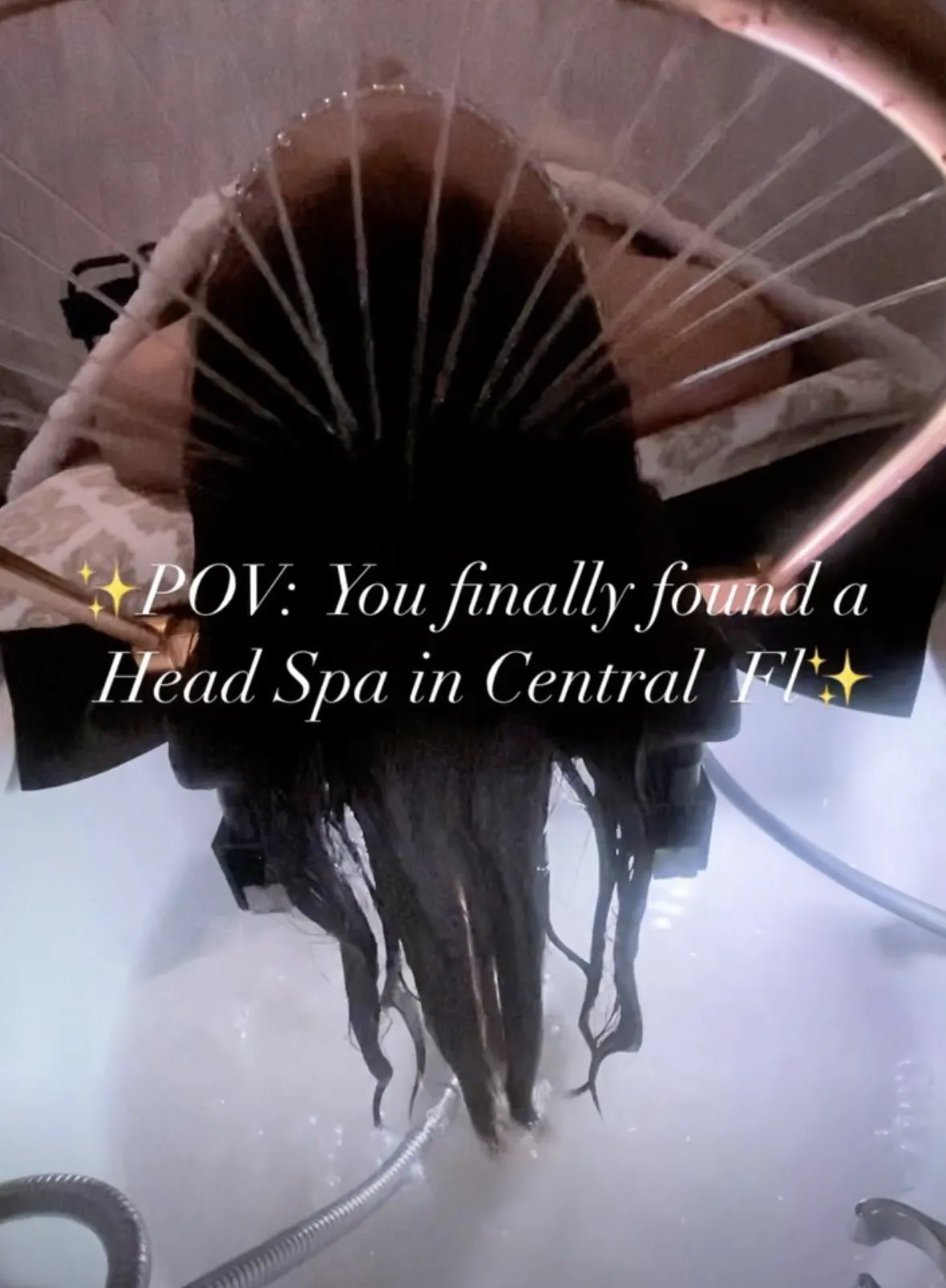
Understanding the Safety of Head Spa Treatment Products for Sensitive Skin: Your Friendly Guide to Safe Scalp Care
Head spa treatments have become a popular way to relax and support scalp health, and many people with sensitive skin enjoy them too. These sessions usually use specialized oils, serums, and cleansers meant to soothe the scalp. If your skin is sensitive, safety is a top concern — you want to avoid irritation while still getting the benefits. This guide walks you through what to look for in ingredients, common allergens, and safe application methods. It also explains how New Concept Beauty Bar approaches safety for sensitive skin so you can feel confident trying a treatment.
Key Takeaways
- Head spa treatments use specialized products designed to promote scalp health and relaxation for sensitive skin.
- Safe head spa products are free from harsh chemicals and contain natural, soothing ingredients like lavender and peppermint oils.
- Hypoallergenic, fragrance-free products minimize irritation and are best suited for sensitive scalps during head spa treatments.
- Common allergens in head spa products include fragrances, preservatives, and dyes that can trigger allergic reactions.
- Patch testing is essential to identify potential sensitivities before using new head spa treatment products.
- Application methods involve gentle cleansing, exfoliating, and massaging tailored to individual scalp sensitivity and condition.
- New Concept Beauty Bar ensures safety by using vetted products and personalized consultations for clients with sensitive skin.
- Clients should communicate sensitivities and follow aftercare guidelines to maintain scalp health after head spa treatments.
Ingredients and Products
The products used in a head spa matter a lot when you have sensitive skin. Typical items include nourishing oils, scalp serums, and gentle cleansers that aim to soothe rather than irritate. Look for formulas that skip harsh chemicals and include calming, natural ingredients. Common helpful additions are essential oils like lavender and peppermint, which add a pleasant scent and often offer calming benefits.
This table shows why choosing the right ingredients matters when you have a sensitive scalp.
What Makes Head Spa Treatments Safe for Sensitive Skin?
Safety comes from using hypoallergenic products and gentle techniques. Many products are dermatologically tested to reduce the risk of reactions. When a salon prioritizes clean ingredients and careful application, head spa treatments can help your scalp without causing discomfort.
Which Hypoallergenic Products Are Best for Sensitive Scalps?
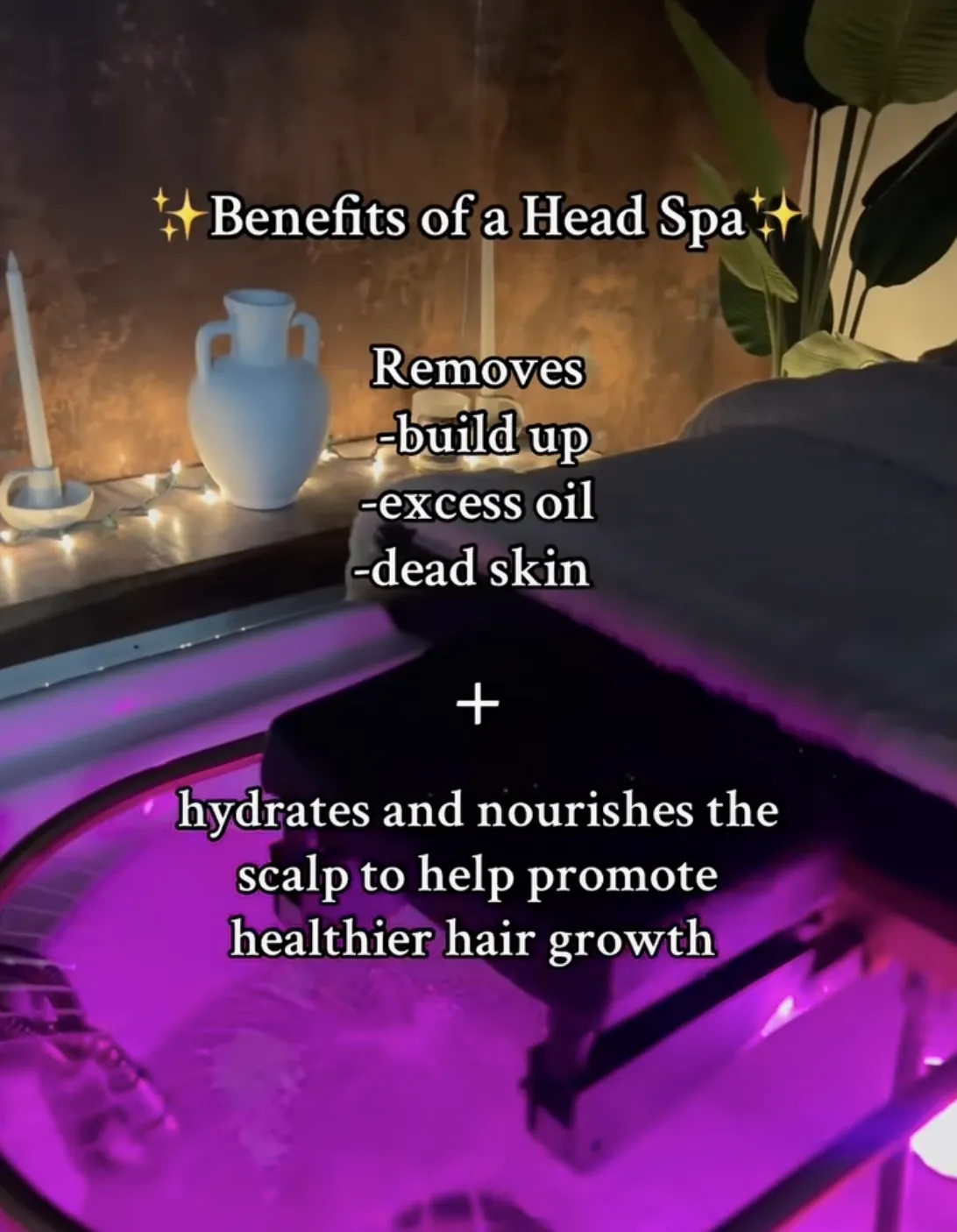
Choose hypoallergenic, fragrance-free options with gentle, natural ingredients to limit irritation. Common recommendations include:
- Nourishing Scalp Oil: Provides hydration without clogging pores.
- Gentle Cleansing Gel: Effectively cleanses while maintaining the scalp’s natural balance.
- Soothing Scalp Serum: Calms irritation and promotes healing.
These choices are aimed at meeting the needs of sensitive skin so your head spa feels safe and pleasant.
Potential Allergens
Spotting common allergens is key if you have sensitive skin. Fragrances, preservatives, and dyes can all cause reactions, so reading labels helps. Patch testing before a full treatment is a simple, effective way to check for sensitivity — apply a small amount to a hidden area and watch for redness or itching over 24–48 hours.
Research highlights the need to identify and understand the common allergens in scalp and hair products that can cause allergic contact dermatitis.
Topical Allergens in Scalp & Hair Products Causing Dermatitis
This systematic review looked at 99 studies covering 3,185 patients and identified 31 unique allergens linked to scalp allergic contact dermatitis.
Allergic contact dermatitis of the scalp associated with scalp applied products: a systematic review of topical allergens, M Juhasz, 2022
Also, patch testing — including testing with a patient’s own products — helps uncover new allergens and checks whether reactions relate to commercial items, which makes scalp care safer.
Patch Testing for Safe Head Spa Products & Sensitive Scalp
Testing with a patient’s own materials can extend the test beyond commercially available options and is the only way to find novel allergens. It also helps assess whether patch test reactions are relevant to commercial products. Rinse-off items like shampoos and shower gels can be tested at 1–10% concentrations in water or petrolatum.
Patch testing with the patients’ own products, 2020
What Common Ingredients Can Irritate Sensitive Skin?
A few ingredients commonly cause irritation and are best avoided in head spa treatments. These include fragrances, certain preservatives, and synthetic dyes.
- Fragrances: Often used to enhance the scent of products but can cause allergic reactions.
- Preservatives: Chemicals like parabens and formaldehyde releasers can lead to skin irritation.
- Dyes: Synthetic colors can trigger sensitivities in some individuals.
In particular, fragrances are often identified as major scalp allergens and can cause allergic contact dermatitis in many patients.
Fragrance Allergens & Scalp Contact Dermatitis
Common fragrances such as Balsam of Peru, Fragrance mix I, and Fragrance mix II are frequently identified as scalp allergens. Aleid et al. reported that one-third of patients had allergic contact dermatitis to fragrances.
Allergic contact dermatitis of the scalp: A review of an underdiagnosed entity, JC Hwang, 2024
Knowing these common irritants lets you pick safer products for your head spa sessions.
Application Methods
How products are applied affects both safety and results. A typical head spa includes cleansing, gentle exfoliation, and a calming massage. Treatments should be customized to your scalp’s condition and sensitivity. Many salons also add relaxation elements, like a slow massage or soft music, to make the experience more soothing.
How Does New Concept Beauty Bar Ensure Safe Treatments for Sensitive Skin?
New Concept Beauty Bar puts client safety first by choosing products and techniques suited to sensitive skin. They do detailed consultations to learn about your needs and any sensitivities. All products are checked for safety and effectiveness so you can relax during the treatment. Their focus on monitoring and client comfort helps make sessions both safe and enjoyable.
Safety Guidelines
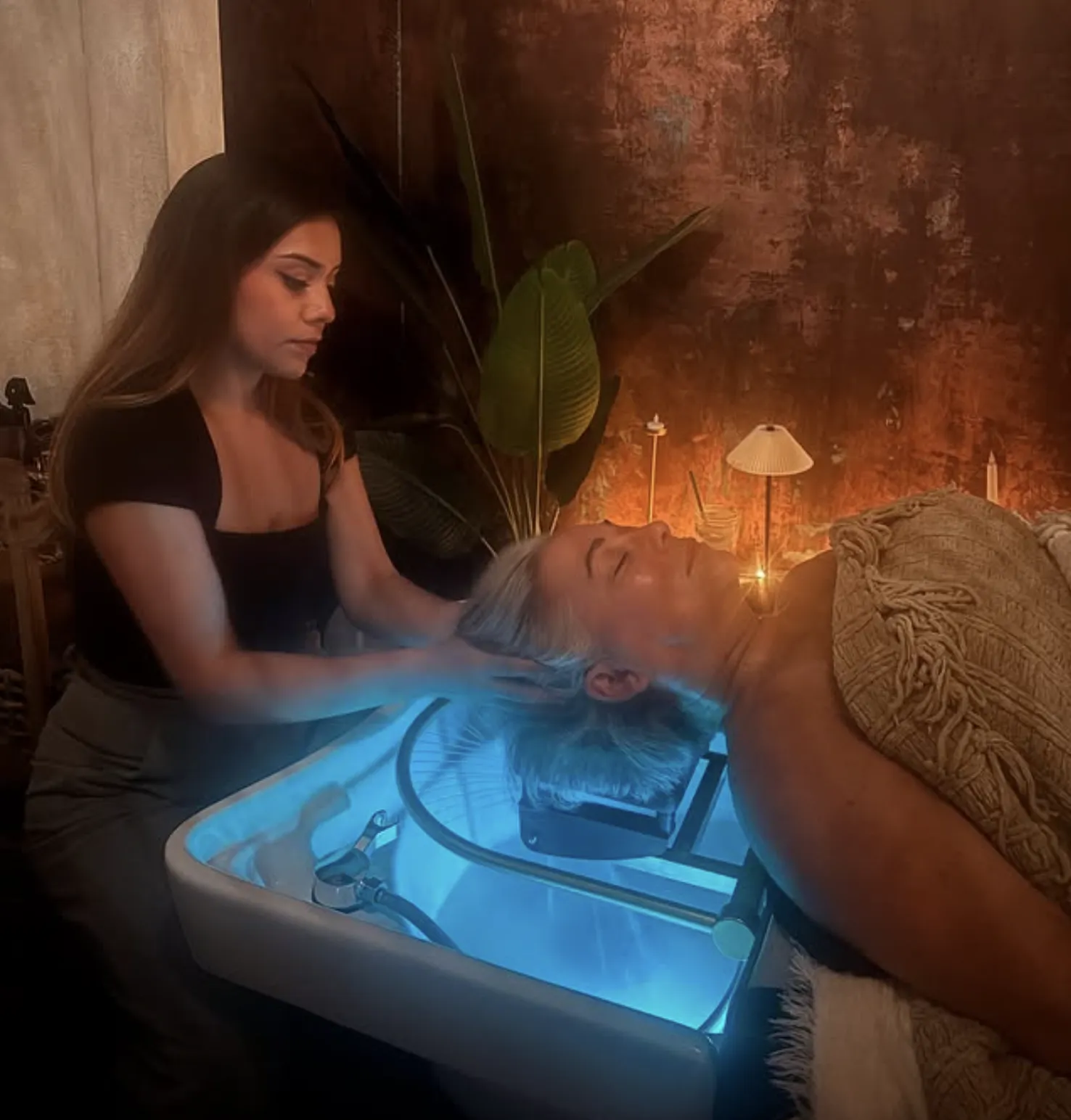
If your skin is sensitive, following a few safety tips will help you get the most from a head spa. Keep these simple guidelines in mind.
- Consultation Importance: Always discuss your skin sensitivities with your therapist before treatment.
- Communication with Therapists: Inform your therapist of any discomfort during the treatment so techniques or products can be adjusted.
- Aftercare Tips: Follow recommended aftercare instructions to maintain scalp health and prevent irritation.
Stick to these steps to boost the benefits of your treatment while lowering the chance of a reaction.
How Can You Book and Care for Your Sensitive Scalp After Treatment?
Booking a head spa treatment at New Concept Beauty Bar is easy, with online scheduling options available. After your session, care for your scalp by avoiding harsh hair products, shielding it from strong sun, and using gentle cleansers as part of a steady routine. Scheduling follow-ups can also help keep an eye on your scalp and catch any issues early.
This guide explains why understanding ingredients, allergens, and application methods matters so you can enjoy head spa treatments while keeping your scalp health a priority. To relax and recharge, consider trying the head spa services at New Concept Beauty Bar — our expert therapists provide personalized treatments tailored to your needs for a safe, effective experience.
Frequently Asked Questions
What should I do if I experience irritation after a head spa treatment?
If your scalp feels irritated after a treatment, rinse it gently with lukewarm water to remove any leftover product. Avoid strong shampoos or treatments until the irritation eases. Apply aloe vera gel or a fragrance-free moisturizer to soothe the area. If the problem continues or worsens, see a dermatologist for advice.
How often can I safely get a head spa treatment if I have sensitive skin?
How often you should get a head spa depends on your scalp and how it reacts. A common recommendation is to wait two to four weeks between sessions so your scalp has time to recover. Pay attention to how your skin responds and ask your therapist for a schedule that fits your needs.
Are there any specific aftercare products recommended for sensitive scalps?
Yes — choose gentle, fragrance-free aftercare made for sensitive scalps. Look for mild shampoos, soothing scalp serums, and hydrating oils without harsh chemicals. A light leave-in conditioner can help if it doesn’t irritate your skin. Ask your therapist for product picks that match your treatment.
Can I perform a patch test at home for head spa products?
Yes — you can patch test at home. Put a small amount of the product on a discreet spot like the inside of your wrist or behind your ear. Check that area over 24–48 hours for redness, itching, or swelling. If nothing appears, it’s usually safe to use the product on your scalp; stop immediately if you see a reaction.
What should I communicate to my therapist before a head spa treatment?
Before your session, tell your therapist about any skin sensitivities, allergies, or past product reactions. Mention medications or treatments that could affect your scalp, and share your expectations so the therapist can tailor the treatment to keep you comfortable and safe.
Are there any lifestyle changes that can improve scalp sensitivity?
Yes — simple habits can help. Eat a balanced diet rich in vitamins and minerals, drink plenty of water, and try stress-reduction techniques like yoga or meditation. Avoid harsh hair products and limit sun exposure on your scalp. For personalized advice, check in with a dermatologist.
Conclusion
Knowing how head spa products and methods affect sensitive skin helps you make smart choices for scalp care. Choosing hypoallergenic, gentle ingredients and following safe application steps can give you a soothing, rejuvenating experience without added irritation. If you want a tailored session, explore the head spa services at New Concept Beauty Bar — their therapists focus on your needs. Ready for a healthier, calmer scalp? Book an appointment to get started.