What to Do if You Experience Discomfort During or After Your Head Spa Session?
What to Do if You Experience Discomfort During or After Your Head Spa Session: Causes, Relief, and When to Seek Help
Feeling discomfort during or after a head spa session can ruin a visit meant for relaxation. This guide summarizes likely causes, quick relief steps, and when to get professional help so you can communicate clearly with your therapist and manage symptoms effectively.
Key Takeaways
- Discomfort can stem from pressure sensitivity, scalp conditions, product reactions, or medical issues.
- Relief often comes from gentle scalp massage, cold compresses, and staying well hydrated.
- Natural options like coconut oil or cooled chamomile can calm irritation for many people.
- Severe pain, swelling, or persistent symptoms warrant prompt medical evaluation.
- Tell your therapist about scalp sensitivities and allergies so treatments can be adjusted.
- Simple preparation—hydration and relaxation—reduces side effects and improves comfort.
- Professionals can offer specialized treatments or refer you to a dermatologist if needed.
- Avoid allergenic or strongly scented products before and after a head spa to reduce risk.
Potential Causes:
Discomfort after a head spa usually has a clear trigger. Identifying the cause helps you and your therapist adjust pressure, products, or technique.
- Pressure Sensitivity: Excessive pressure during massage can irritate sensitive scalps.
- Scalp Sensitivity: Conditions like eczema or psoriasis increase reactivity to touch and products.
- Underlying Conditions: Migraines, tension headaches, or other medical issues can amplify discomfort.
If you can identify what triggered the pain, tell your therapist so they can modify the treatment.
Noting subtle scalp sensations—sometimes called “hair pain”—can help explain why some people feel extra sensitivity during or after treatments.
Understanding Scalp Pain: Trichodynia & Sensitive Scalp Management
Trichodynia, or “hair pain,” is a painful feeling on the scalp. People with this report that the pain is hard to describe and can feel odd, since there are often no visible sores or lesions. [Translated article] Sensitive Scalp: Diagnosis and Practical Management, E González-Guerra, 2023
Effective Relief Methods:
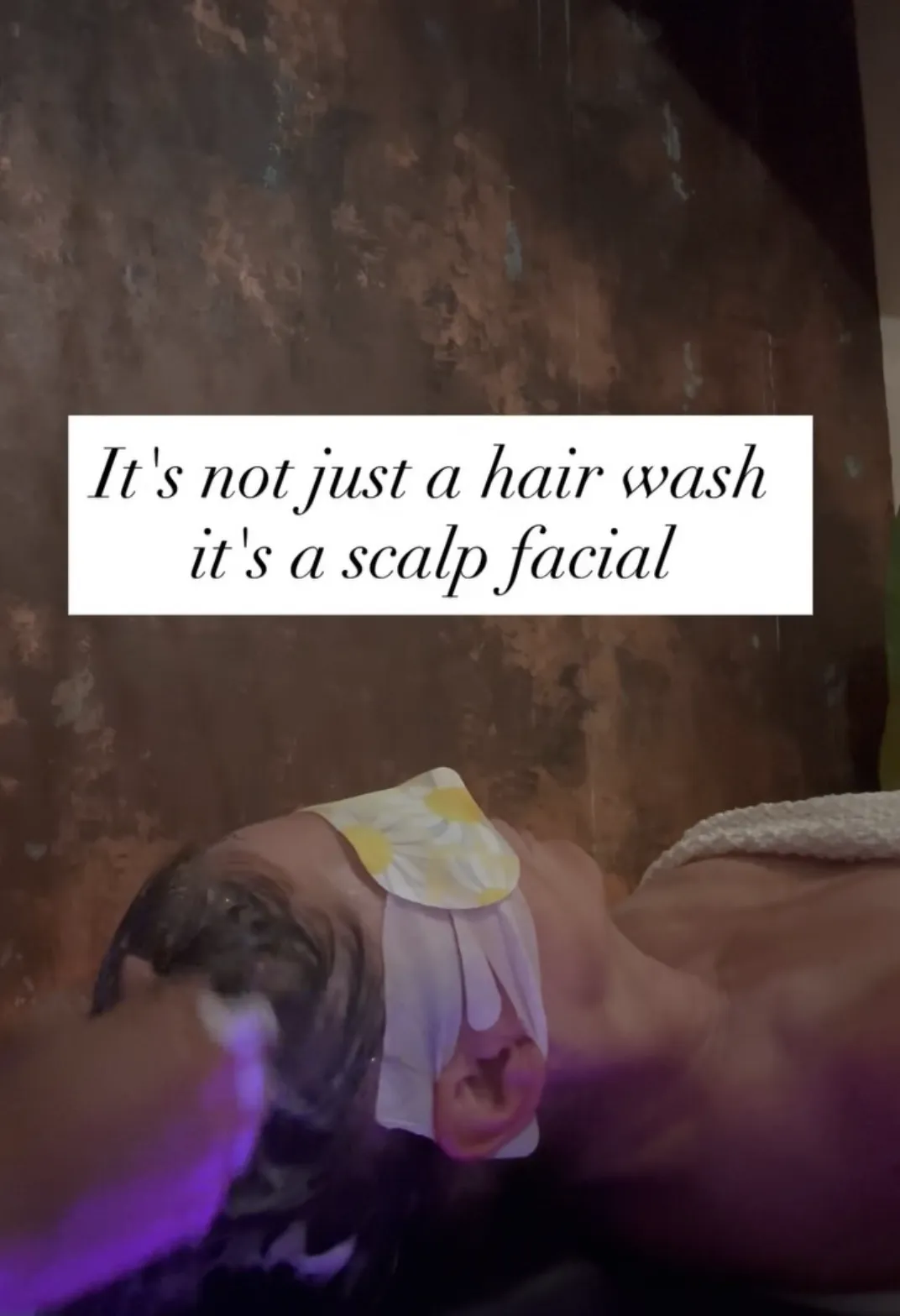
Try these simple, low-risk steps first to ease scalp discomfort.
- Gentle Massage: Use your fingertips in light circular motions to ease tension without adding pressure.
- Cold Compress: Apply for 10–15 minutes to reduce inflammation and numb pain.
- Hydration: Drink water to support skin health and recovery.
If symptoms continue or you want professional follow-up, consider booking at New Concept Beauty Bar for tailored care.
What Are Effective At-Home Aftercare Tips for Scalp Relief?
Simple aftercare helps most people recover quickly. Key tips:
- Hydrate: Aim for regular water intake to support scalp skin.
- Light Massage: Keep pressure minimal when massaging to avoid aggravation.
Which Natural Remedies and Products Help Calm Your Scalp?
Gentle, familiar remedies can help, especially if you have a sensitive scalp.
- Natural Oils: Coconut or jojoba oil can soothe dry or irritated skin when used sparingly.
- Herbal: Cooled chamomile applied gently may calm inflammation for some people.
When to Seek Professional Help:
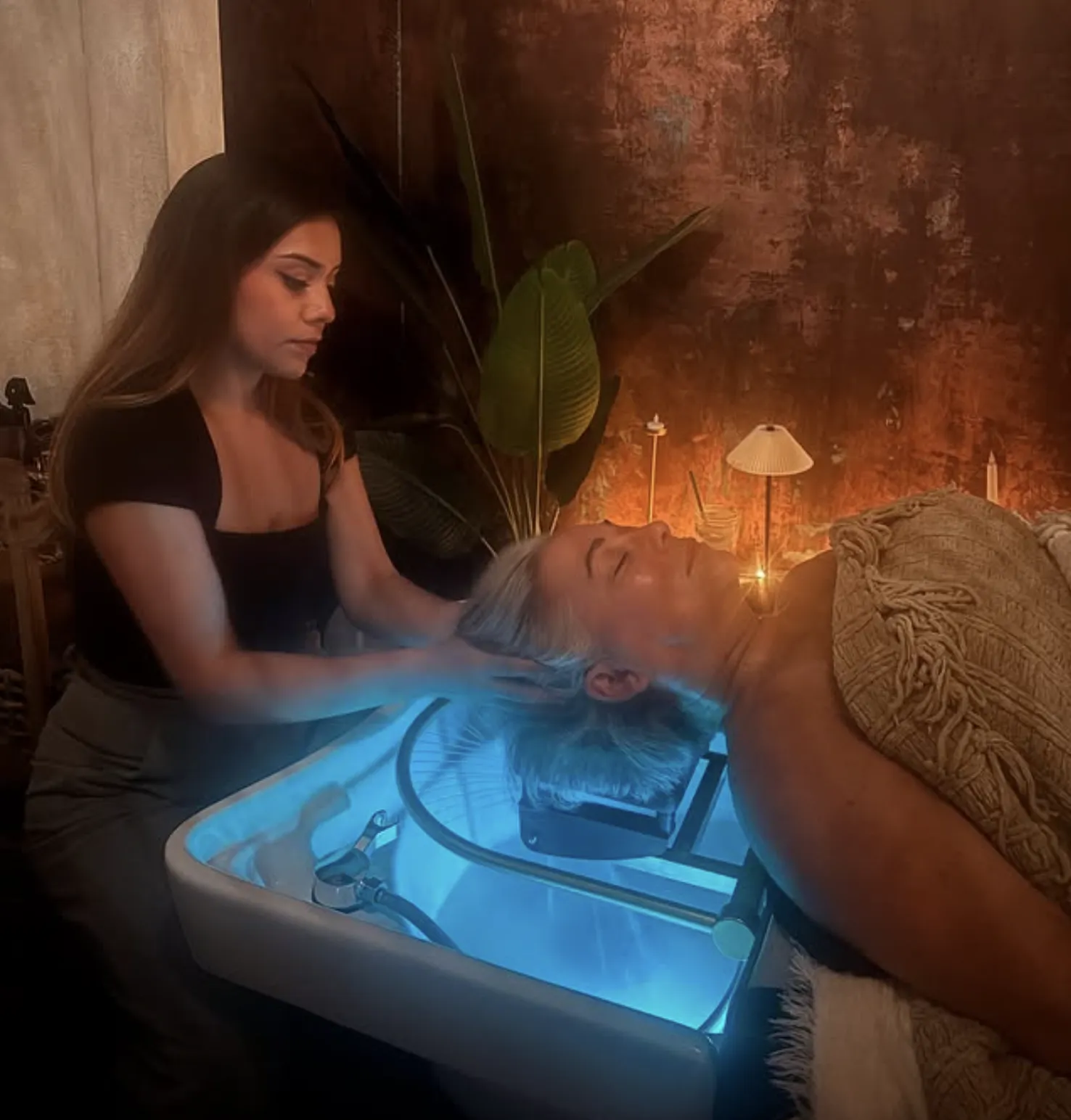
Mild, short-lived discomfort usually improves with home care. See a professional when symptoms are marked or persistent.
- Severe Symptoms: Intense pain, spreading swelling, or signs of infection require prompt medical review.
- Professional Assessment: A provider can diagnose causes and suggest treatments, medications, or referrals.
If discomfort persists, consider a full evaluation at New Concept Beauty Bar or from a healthcare provider.
What Warning Signs Indicate You Need Medical Attention?
Watch for:
- Severe pain that doesn’t improve with home care.
- Noticeable swelling or signs of infection (redness, heat, discharge).
Sometimes severe, ongoing scalp pain—even without visible changes—can point to conditions like scalp dysesthesia, which should be evaluated by a professional.
Scalp Dysesthesia: Chronic Pain & Itching Causes
A report described 11 women with chronic scalp dysesthesia. They had long‑lasting, severe scalp pain and/or intense itching, but no abnormal physical findings. Patients often reported burning or pain, sometimes with no visible signs. Scalp dysesthesia, 1998
How Can Professionals Help with Persistent Scalp Issues?
A professional consultation can clarify causes and offer targeted care.
- Consultation: A detailed history and scalp exam help identify triggers.
- Treatment Options: Options include specialized scalp therapies, topical or oral medications, and dermatologist referral when needed.
What Causes Discomfort During or After a Head Spa?
Common causes are pressure, product reactions, and individual scalp conditions. Being clear with your therapist about sensitivities reduces risk.
- Pressure Sensitivity: Excessive force or prolonged pressure can irritate nerve endings.
- Product Reactions: Fragrances or active ingredients may cause irritation or allergic responses.
How Does Scalp Sensitivity Affect Your Head Spa Experience?
If your scalp is sensitive, even gentle techniques can cause discomfort. Always tell your therapist about known conditions or recent scalp issues so they can adjust treatment.
Can Products or Techniques Trigger Discomfort?
Yes. If you have allergies or react to certain ingredients or heat/chemicals, ask for hypoallergenic, fragrance-free options and lighter techniques.
What Do Clients Say About Managing Discomfort After Their Head Spa?
Clients often share practical, low-effort strategies that work.
- Successful Strategies: Gentle home care and clear communication with the therapist are most helpful.
- Preparation Tips: Arrive hydrated and relaxed to reduce tension and sensitivity.
How Have Others Successfully Eased Their Head Spa Side Effects?
Common client practices include:
- Relaxation: Deep breathing or short meditation before a session.
- Post-care: Gentle scalp care and hydration after treatment to keep irritation minimal.
What Tips Do Clients Recommend for a Comfortable Head Spa Experience?
- Preparation: Rest, hydrate, and avoid heavy styling products on the day of your visit.
- Post-treatment: Use mild, hydrating products and avoid heat styling for 24 hours if your scalp feels sensitive.
Frequently Asked Questions
What should I do if I experience an allergic reaction during a head spa session?
Tell your therapist immediately so they can stop. If redness, itching, or swelling are severe or persistent, see a healthcare provider and note the products used.
How can I prepare my scalp before a head spa session?
Arrive with a clean scalp free of heavy styling products. Drink water in the days before your visit and tell your therapist about any sensitivities.
Are there specific products I should avoid before a head spa?
Avoid harsh chemicals, strong fragrances, or known allergens. If you’re sensitive, request hypoallergenic options and skip gels or sprays the day of your appointment.
How often should I schedule head spa sessions for optimal scalp health?
Frequency depends on your needs. Many people find every 4–6 weeks helpful; your therapist can recommend a schedule based on dryness, irritation, or other concerns.
What lifestyle changes can support scalp health after a head spa?
Maintain a balanced diet with nutrient-rich foods, stay hydrated, manage stress with relaxation techniques, and do gentle scalp massages at home to support circulation.
Can I continue my regular hair care routine after a head spa?
Generally yes, but be gentle for the first 24 hours. Avoid harsh chemicals and heat styling while your scalp is more sensitive; choose hydrating, sulfate-free products.
Conclusion
Knowing common causes and simple relief steps helps you get more from a head spa. Communicate sensitivities, use gentle aftercare, and seek professional advice if symptoms persist. For expert help, consider the head spa services at New Concept Beauty Bar.