

Discover the Scalp Micropigmentation Process in Clermont, FL
Discover the Scalp Micropigmentation Process in Clermont, FL

Your Complete Guide to Scalp Micropigmentation in Central Florida — What to Expect at New Concept Beauty Bar
Scalp micropigmentation (SMP) is a non-surgical cosmetic treatment that creates the look of fuller hair and a defined hairline by depositing specialized pigment into the scalp. This guide walks you through how SMP works, what happens at each appointment, and how to prepare and care for your scalp through the full healing timeline — with practical notes for Central Florida clients. People choose SMP to restore a natural hairline, hide scars, or add density to thinning areas without surgery or long downtime. Below we outline the whole process — from consultation and pigment matching to session goals, day-by-day aftercare, and long-term maintenance — so you know what to expect before booking. You’ll also find information on pricing and how to schedule at our Clermont studio, along with tips for healing in a humid, high-UV climate. Read on to see how each session builds toward a natural final result and how to protect your investment over time.
How the Scalp Micropigmentation Process Works at New Concept Beauty Bar
SMP creates the illusion of hair by implanting tiny pigment dots into the upper dermis with fine micro-needles. The effect depends on careful pigment matching, deliberate hairline mapping, and layered application across multiple sessions so the scalp heals and tones to a natural finish. The main benefit is a subtle, long-lasting improvement in hairline and density without grafting — and the treatment suits many hair loss patterns and skin types. Our process starts with a detailed consultation and scalp assessment, then moves into mapping, pigment testing, and staged treatments so we can evaluate results and adjust between visits. Spacing sessions lets pigments settle and gives us control over final density.
At New Concept Beauty Bar we prioritize personalized artistry and client comfort. We use industry-standard sanitation and precise micro-point tools — beginning conservatively and building density gradually to avoid over-darkening and to blend realistically. Client comfort and safety come first: we use topical numbing, control needle depth, and work in a sterile environment to reduce infection risk and support pigment retention. This careful, staged approach leads naturally into the consultation details that set expectations for shape, tone, and scheduling.
What to Expect at Your Initial SMP Consultation

The consultation clarifies goals, inspects scalp condition, and maps a hairline that suits your facial features and desired look. During this visit we review medical history, current medications, and any scalp issues — these details affect candidacy, pigment selection, and the session plan. Hairline design is a key part: we sketch options, set density goals, and photograph the scalp for progress tracking and consent. Bring photos of hairstyles you like and any scalp scarring to help plan camouflage. This meeting also covers pricing estimates and schedules your first session if you’re ready.
A thorough consultation establishes safe, realistic expectations by combining technical assessment with your aesthetic preferences. After we agree on the shape, we typically do a small pigment patch test to confirm tone and comfort before moving into the session workflow.
How Pigments Are Applied During Each SMP Session
We apply pigment using a micro-point technique that deposits tiny, layered dots into the superficial dermis to mimic hair follicles and build natural-looking density. Pigments are chosen for your skin tone, existing hair color, and how they’re likely to fade over time; we start conservatively and refine color in follow-up sessions as the scalp heals. Layering pigment across visits lets us observe how dots soften and blend, then adjust density, direction, and scar blending as needed. We follow strict sanitation protocols, use single-use needles, and maintain controlled machine settings — topical numbing keeps you comfortable throughout the process.
Between sessions we evaluate retention, how scabbing affected tone, and how skin type influenced results to plan the next steps. This iterative method helps ensure outcomes that look natural in different styles and lighting, and it prepares you for the usual number of sessions needed for full coverage.
How Many Sessions Do Most People Need for Full Coverage?
Most clients reach their desired result with two to three SMP sessions spaced a few weeks apart, which allows pigments to settle and the scalp to heal between treatments. The exact count depends on goals — hairline work, full-head density, or scar camouflage — along with skin type, scalp oiliness, and target density. Typically we start with a foundation session for mapping and base pigment, follow with one or two density-building visits, and finish with a refinement to perfect blending and tone. This staged plan prevents over-application and gives us chances to tailor color and dot size as pigments age on your skin.
Below is a clear comparison of what each common session usually accomplishes and the typical duration and healing intervals.
| Session | Primary Goal | Typical Duration / Healing Time |
|---|---|---|
| Session 1 | Foundation: hairline design and base pigments | 2–4 hours; visible scabbing 3–7 days; wait 4–6 weeks before next session |
| Session 2 | Density building: layered dots to increase fullness | 2–3 hours; lighter scabbing; wait 4–6 weeks before final refinement |
| Session 3 (if needed) | Refinement: touch-up of tone, scar work, blending | 1–2 hours; minimal downtime; final settling over 4–6 weeks |
These timeframes are typical but individual needs vary. During an in-clinic consultation at New Concept Beauty Bar we’ll confirm the recommended session count and schedule tailored to your scalp and goals.
Session 1: Foundation and Hairline Design
Session 1 sets the hairline blueprint and places the foundational dots that define shape and early density. We finalize the mapped hairline with your input, check proportions against facial features, and begin careful micro-point placement to create a natural perimeter. You may feel intermittent pressure and minimal discomfort thanks to topical numbing; the treated area will look slightly darker at first and show micro-scabbing that softens as it heals. We take before-and-after photos and review aftercare instructions before booking your next visit.
A solid foundation minimizes the need for major corrections later and lays the groundwork for successful density-building in follow-up sessions.
Sessions 2 and 3: Density Building and Final Refinement
Sessions 2 and 3 focus on building realistic density and refining tone, direction, and scar camouflage based on how pigments settled after the foundation phase. We layer additional micro-dots in varied sizes and spacing to mimic natural hair growth, adding depth where needed while avoiding a uniform stippled look. Any corrections for uneven retention or slight color shifts are made conservatively, taking healed tones into account. The final refinement polishes edges, addresses scars with targeted camouflage, and ensures the scalp blends smoothly under different lighting.
These follow-up visits are generally shorter and less invasive than the foundation appointment, and you’ll see progressive improvement with each session.
How to Prepare for Your Scalp Micropigmentation Sessions
Good preparation improves pigment retention, reduces complications, and makes the treatment more comfortable — so follow a simple pre-treatment checklist to protect your investment. Avoid blood-thinning substances, alcohol, and heavy sun exposure in the days before your appointment to minimize bleeding and swelling; pause intense exfoliating skincare products in the weeks before treatment to protect the scalp’s surface. Tell us about medications, recent procedures, and any scalp conditions at your consultation so we can tailor timing and technique. Arriving with clean, dry hair helps the mapping and application process.
The table below summarizes recommended pre-session actions, why they matter, and the ideal timing to get the best results.
| Action | Why It Matters | When to Do It |
|---|---|---|
| Avoid alcohol and NSAIDs | Reduces bleeding and swelling during treatment | 48–72 hours before session |
| Pause topical retinoids/peels | Prevents excessive skin sensitivity and poor pigment retention | 2 weeks prior |
| Avoid sun and tanning | Prevents sunburned or irritated skin that may not accept pigment well | At least 1 week prior |
| Bring reference photos | Ensures shared expectations for hairline and density | At consultation / session day |
This checklist helps you arrive in the best possible condition and reduces variables that affect pigment settling. Always discuss prescription medications or health concerns during your consultation so we can confirm there are no special contraindications.
Skincare and Lifestyle Adjustments to Make Before SMP
Simple skincare steps improve your scalp’s readiness and lower complication risks. In the two weeks before treatment avoid chemical peels, aggressive exfoliation, and topical retinoids that can thin or irritate the epidermis. For 48–72 hours before your appointment, skip alcohol and blood-thinning supplements and avoid heavy exercise that raises circulation and swelling on treatment day. If you have sensitive skin, tell your technician so we can patch-test and adjust numbing or pigment selection as needed.
These precautions preserve skin integrity and create a consistent surface for predictable pigment retention, which helps set realistic expectations for the post-session appearance and timeline.
Managing Expectations for Natural-Looking SMP
Understanding healing stages helps manage expectations: pigment often looks darker at first, then softens as scabs form and the skin heals — final results can take several weeks to appear. Perceived density changes across sessions: areas that look light immediately after treatment usually appear fuller after layering and once redness subsides. We take progress photos at each stage so you can compare results and set realistic milestones. Tell us how you wear your hair and the lighting environments you frequent so we can tailor dot size and density for a consistent look.
Clear communication during consultation and between sessions reduces surprises and helps you plan any desired touch-ups or extra density work.
The Healing Process and Aftercare Timeline for SMP

Healing typically follows these stages: immediate redness and tiny pinpoint bleeding, a scabbing phase when dots appear darker, flaking that reveals softened pigment, and gradual settling that defines the final tone over several weeks. Proper aftercare preserves pigment and lowers infection risk: gentle cleansing, avoiding soaking, steering clear of heavy sweating, and using recommended ointments for a limited time are the core steps. Sun protection is essential right after healing and ongoing to slow fading — in humid Central Florida, extra care is needed to prevent premature pigment loss from frequent sweating. Knowing the day-by-day guidance helps you spot normal healing signs and recognize when to contact the clinic.
Use this day-by-day aftercare checklist to navigate the first two weeks after a session.
Follow this daily aftercare checklist to support optimal healing and pigment retention:
- Day 1–3: Keep the area mostly dry except for gentle cleansing as directed; avoid direct water pressure and pat dry.
- Day 4–7: Expect light scabbing and flaking; use the recommended gentle moisturizer sparingly to prevent cracking.
- Day 8–14: Continue gentle care; avoid pools, saunas, and strenuous activity that causes heavy sweating until the skin is fully settled.
This checklist gives a simple, practical timeline and highlights when to call us if you notice excessive redness, ongoing drainage, or other signs of infection.
Day-by-Day Aftercare Instructions After Each Session
Initial aftercare focuses on wound care: keep the treated area clean, apply any prescribed ointment sparingly, and don’t pick at scabs to avoid pigment disruption or scarring. For the first 48–72 hours avoid direct high-pressure water on the scalp and stay out of pools or baths that could lift pigment and increase infection risk. While scabbing occurs, wash gently with a mild, fragrance-free cleanser and pat dry without rubbing; use light moisturization only as instructed to keep skin from cracking. Avoid heavy exercise and hot, sweaty environments until cleared by your technician, and once the scalp has fully closed use physical sun protection like hats to preserve pigment.
Following these steps supports predictable healing and helps us accurately assess retention and plan any additional density work at your next visit.
How Long Does the SMP Healing Timeline Last in Central Florida?
In Central Florida’s warm, humid climate, scabbing and flaking usually resolve within one to two weeks, but full pigment settling and final softening commonly take four to six weeks. Humidity and frequent sweating can speed surface flake removal and increase the risk of pigment loss if aftercare isn’t followed closely, so postpone beach and pool activities and high-UV exposure until we confirm full healing. Expect a follow-up assessment about 4–6 weeks after each session so we can evaluate retention and plan corrections if needed.
Local climate factors make strict aftercare especially important here, and planning around hot-weather activities will help maintain even retention and long-term results.
How Long SMP Results Last and When to Schedule Touch-Ups
SMP can last for several years; most clients enjoy strong results for multiple years before gradual fading makes a touch-up desirable. Typical touch-up timing is about 2–4 years, though oily skin, heavy sun exposure, or frequent exfoliation can shorten that timeframe. Quality pigments and precise technique slow fading, while consistent sun protection and gentle scalp care extend results. We recommend periodic check-ins every 1–2 years to monitor retention and plan maintenance sessions when needed.
The table below shows common factors that influence longevity, their effects on pigment, and practical steps to mitigate those effects.
| Factor | Effect on Pigment | Mitigation & Expected Impact |
|---|---|---|
| UV exposure | Accelerates pigment fading and color shift | Use SPF and physical hats; can add 1–2 years to longevity |
| Oily skin / high sebum | Causes pigment blur and faster fade | More frequent maintenance; touch-up every 1–3 years |
| Exfoliation / harsh cleansers | Removes superficial pigment layers | Use gentle cleansers; slows fading for longer retention |
| Pigment quality & technique | Directly affects color stability | High-quality pigments and precise technique extend durable results |
Factors That Affect SMP Longevity
Longevity depends on sun exposure, skin type (sebum production), pigment quality, technique depth, and aftercare habits — each factor can speed up or slow fading. UV radiation breaks down pigment molecules over time and can shift color; oily scalps may blur micro-dots and lose crispness sooner. The initial technique — needle depth, pigment placement, and conservative layering — also affects how well pigments hold in the dermis long-term. Practical mitigations include diligent sunscreen or hat use, gentle scalp cleansers, and scheduled assessments so we can plan maintenance proactively.
Knowing these factors helps you adopt habits that protect your cosmetic investment and schedule touch-ups before noticeable fading occurs.
How New Concept Beauty Bar Supports Your Long-Term SMP Care
We provide ongoing support through in-clinic follow-up evaluations and personalized aftercare guidance to extend pigment life and preserve natural results. At consultations and post-session check-ins we educate clients about sun protection, scalp-friendly cleansers, and the right timing for maintenance touch-ups. We offer tailored advice for scar camouflage and density adjustments after healing, and encourage clients to document progress with photos so retention can be reviewed objectively. To book or follow up, contact New Concept Beauty Bar by phone to schedule a consultation and ask about availability.
What SMP Costs at New Concept Beauty Bar in Clermont, FL?
SMP pricing reflects coverage area, number of sessions, and any scar camouflage or corrective work required. We provide transparent, consultation-based quotes for the most accurate estimate. Pricing is commonly structured per session or packaged by coverage area; full-head projects typically involve a multi-session package that balances cost and outcome. Ask about financing or payment plans during your consultation if you’d like to spread the cost. To get a precise estimate and book a consultation, contact our Clermont studio directly.
Below is a short list of the typical cost drivers so you understand what influences price.
- Coverage area: Larger treatment areas require more time and pigment, which increases cost.
- Session count: Additional sessions for density or corrections raise the total investment.
- Scar or corrective work: Specialized camouflage over scars or previous procedures may add to pricing.
Knowing these cost drivers helps you plan financially and explains why an in-person consultation gives the most reliable quote.
How SMP Pricing Is Structured and Financing Options
Pricing is usually based on coverage needs — partial hairline work versus full-head density — and on session packages rather than one flat rate. Because scalp condition and desired density vary, we provide consultation-based estimates that reflect the scope of work and recommended session count. If you’d like to spread payments, ask about financing or payment plans when you call to schedule. Getting a written estimate at the consultation helps you budget for sessions and any possible corrective work.
If clear budgeting matters to you, request a written estimate during your consultation that outlines expected sessions and any additional fees for scar work or refinement.
How to Book Your SMP Consultation and Begin Your Hair Restoration Journey
Start by reviewing outcome examples and preparing photos that show the hairline and density you prefer — references speed the consultation and help us align on goals. Then call the clinic to schedule a consultation and discuss availability, pricing, and pre-session prep. Bring a list of medications and a clear idea of your styling preferences so we can design a tailored plan. After the consultation you’ll receive detailed aftercare instructions and a recommended session schedule to begin staged treatment.
If you prefer in-person details, New Concept Beauty Bar is located in Clermont, Florida — our team offers personalized consultations and follow-up care to guide your SMP journey.
Scalp Micropigmentation: A Non-Surgical Hair Restoration Option
Other treatments include laser hair therapy, PDO threads, cellular micrografting, scalp micropigmentation, hair vitamins and supplements, and various shampoos, conditioners, serums, and topicals.
What is Hybrid Hair Transplant? Conveniently located to serve the areas of Austin, San Antonio and Houston, Texas

Recent Posts
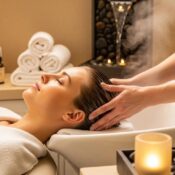
Discover the Amazing Benefits of Head Spa Treatments for Relaxation and Hair Health

Comparing Head Spa Prices: How They Stack Up Against Other Wellness Treatments

Meet Our Expert Therapists: Qualifications That Ensure Your Head Spa Experience Is Exceptional
Tags

SALE 10%
All NEW clients receive a 10% off discount on their first service!