Head Spa Massage Techniques: Why the Way You're Touched Changes Everything
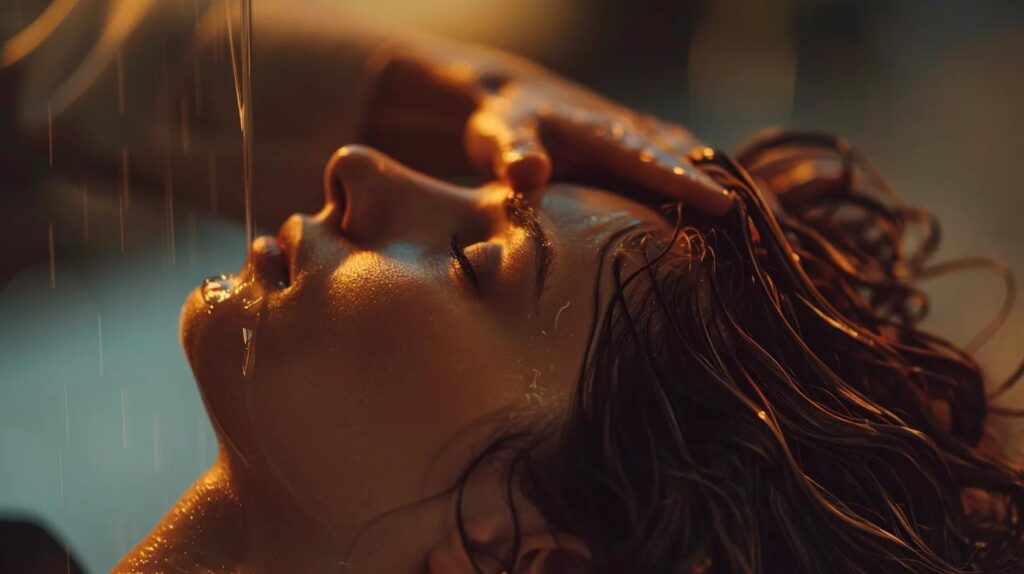
There Is a Reason You Cannot Stop Thinking About That Scalp Massage
You know that moment. You’re sitting in the shampoo bowl at a salon, and the stylist starts massaging your scalp before the rinse. Suddenly, everything else disappears. Your shoulders drop. Your jaw unclenches. The to-do list in your head goes completely quiet.
And then it stops, way too soon, and you spend the next few days thinking about how you can make that feeling last longer.
That right there is the power of a scalp massage. But what most people do not know is that what they experienced in that brief shampoo bowl moment is only a fraction of what a real, intentional head spa massage can do.
At New Concept Beauty Bar in Clermont, Florida, our head spa massage techniques are not random. They are deliberate, trained, and built around the anatomy of your scalp, your nervous system, and your hair growth cycle. And once you understand what is actually happening during a professional session, you will never look at a scalp massage the same way again.
Why Technique Actually Matters
Before we get into the specific head spa massage techniques, let’s talk about why technique matters in the first place. Because not all scalp massage is created equal.
A casual finger-rub during a shampoo rinse feels great. But a professional head spa massage is an entirely different experience. The difference comes down to four things:
- Pressure, knowing exactly how much to apply and when
- Direction, moving in patterns that follow scalp anatomy and lymphatic pathways
- Intention, targeting specific areas for specific results
- Duration, spending enough time in each zone to create a real physiological response
When all four of those elements are working together, a scalp massage stops being a pampering extra and becomes a therapeutic treatment with measurable results for your hair, your scalp, and your stress levels.
That is why the head spa massage techniques used at our studio are taught, practiced, and refined, not improvised.
The Core Head Spa Massage Techniques Used by Professionals
Let’s walk through the primary techniques used in a professional head spa session, what each one does, and why it is included.
Effleurage: The Opening Move
To begin with, every professional head spa massage starts with effleurage. This is a gentle, gliding stroke performed with the full palm and fingertips across the scalp. Long, slow, and smooth, effleurage serves as the opening sequence of the session for very specific reasons:
- It warms the scalp tissue and increases surface blood flow
- It signals the nervous system to begin shifting from active stress mode into a relaxed state
- It spreads any oils or treatment products evenly across the scalp
- It allows the specialist to feel for areas of tension, dryness, or sensitivity before deeper work begins
Think of it as the introduction. It opens the conversation between the specialist’s hands and your scalp, setting the tone for everything that follows.
Petrissage: The Deep Work
Next, once the scalp is warmed and responsive, the specialist moves into petrissage. This technique involves lifting, kneading, and gently compressing the scalp tissue using the fingertips and thumbs in a rhythmic, circular motion.
Petrissage is one of the most powerful head spa massage techniques for hair health because it:
- Dramatically increases blood circulation deep within the scalp tissue
- Helps break up areas of tension and tightness that restrict healthy follicle function
- Stimulates the sebaceous glands, which are the small glands that produce your scalp’s natural oil, to function more efficiently
- Pushes treatment products deeper into the scalp layers where follicles actually live
- Triggers the release of endorphins, creating that deep, almost euphoric relaxation that clients often describe
A study published in the journal ePlasty confirmed that this type of mechanical stimulation applied to the scalp over time resulted in measurably thicker hair strands, because the stretching and compressing forces on the follicle actually stimulate the cells responsible for hair growth.
Friction: The Targeted Technique
Moving along, friction is a focused technique where the fingertips apply firm circular or cross-fiber pressure to specific points on the scalp. Unlike the broader strokes of petrissage, friction is precise and targeted.
Here is where it gets interesting. Your scalp has areas that are particularly prone to tension buildup, especially for people who sit at desks, carry stress in their neck and shoulders, or clench their jaw. These areas include:
- The occipital ridge, which is the bony area at the base of the skull where the neck meets the head
- The temporal area, which is the sides of the head above the ears, especially common for tension headache sufferers
- The hairline and forehead border, where stress-related tension often accumulates
Applying friction to these zones does more than just feel good. It breaks up adhesions in the tissue, increases local blood flow, and can genuinely relieve tension headaches and jaw tightness that many clients do not even realize is connected to their scalp.
Tapotement: The Energizing Finish
Additionally, tapotement is a percussion-based technique where the fingertips tap lightly and rhythmically across the scalp in a quick, drumming motion. It sounds simple, but the effect is significant.
Tapotement wakes the scalp up. After the deep, slow work of petrissage and friction, tapotement brings fresh energy and blood flow back to the surface of the scalp. It stimulates the nerve endings, refreshes circulation, and leaves the scalp feeling alive and invigorated rather than heavy or sleepy.
For clients focused on hair growth, tapotement is particularly valuable because the repeated light percussion creates a rapid increase in surface circulation that supports follicle activity.
The Pressure Point Method: Working with Your Body's Own Map
Furthermore, professional head spa practitioners trained in Japanese head spa methods incorporate pressure point work into the massage sequence. This approach is rooted in traditional Eastern wellness practices and involves applying firm, sustained pressure to specific points on the scalp and surrounding area that correspond to tension patterns, circulation zones, and nervous system responses.
Key pressure points commonly addressed during a head spa session include:
- GV 20 (Baihui), located at the very crown of the head, known for calming the mind and reducing stress
- GB 20, located at the base of the skull on either side of the spine, which addresses neck tension and headaches
- ST 8, at the corners of the forehead, which helps relieve frontal tension and eye strain
- BL 10, at the base of the skull, which supports relaxation of the entire upper body
When these points are activated correctly, clients often experience an immediate and dramatic release of tension that extends well beyond the scalp, down through the neck, shoulders, and sometimes even the chest.
The Chopstick Massage: New Concept's Specialty Add-On
Finally, one of the most talked-about add-ons available at New Concept Beauty Bar is the chopstick massage. This technique, inspired by Japanese head spa traditions, uses smooth, thin tools applied with precise pressure and rolling motions along the scalp and hairline.
The chopstick massage is remarkable for a few specific reasons:
- It reaches areas that fingertips cannot access with the same precision, particularly along the hairline and behind the ears
- It applies a consistent, controlled pressure that feels unlike anything else
- It stimulates micro-circulation in areas of the scalp that are often completely neglected in standard massage
- Clients who experience it consistently describe it as one of the most uniquely satisfying sensations in the entire head spa experience
It is one of those things you genuinely have to feel to understand. And once you do, you will always add it on.
What Happens to Your Body During a Head Spa Massage
Beyond the individual techniques, let’s talk about what is actually happening inside your body during a professional head spa massage, because the biology is genuinely fascinating.
Within the first few minutes of massage, your body begins shifting from sympathetic nervous system activity, which is your fight-or-flight stress response, into parasympathetic activity, which is your rest-and-digest state. This shift causes:
- Your heart rate to slow down
- Your blood pressure to decrease
- Your muscles to release tension
- Your cortisol levels to drop
- Your body to begin producing serotonin and dopamine, the chemicals responsible for mood and wellbeing
At the same time, the increased blood flow to your scalp is delivering oxygen and nutrients to your hair follicles at a higher rate than normal. Your lymphatic system is being stimulated to clear waste and reduce inflammation in the scalp tissue. And if treatment products are applied, they are being driven more deeply into the tissue with every movement.
Everything is happening at once. It is not just relaxing. It is genuinely restorative on a biological level.
The Japanese Head Spa Influence: Why Our Techniques Are Different
Here is a little context that matters. The head spa experience has deep roots in Japanese wellness culture, where scalp care has been treated as a serious health practice for generations, not just a beauty service.
Japanese head spa techniques are characterized by their precision, their intentionality, and their holistic approach to the scalp as part of the whole body’s wellness. Every movement has a purpose. Every product is chosen deliberately. The experience is designed to address the body and mind together, not separately.
At New Concept Beauty Bar, our head spa massage techniques are inspired by this tradition. We have combined Japanese methods with modern scalp science to create an experience that is both deeply rooted in time-tested practice and informed by current research on hair growth and scalp health.
The result is a head spa experience unlike anything else in Central Florida.
Why Clermont Clients Keep Coming Back for This
Clermont is a community that moves fast. Between the active outdoor lifestyle along the South Lake Trail, the commutes to Orlando, and the full lives people are building here, tension builds up quickly. It lives in your neck, your shoulders, your jaw, and yes, your scalp.
A professional head spa massage is one of the most efficient ways to release all of that at once. It is not just a treat. For many of our clients coming in from Clermont, Winter Garden, Windermere, and the surrounding areas, it is the reset that makes the rest of their week feel manageable.
And the fact that their hair grows stronger and healthier in the process? That is the kind of two-for-one that is genuinely hard to find anywhere else.
Frequently Asked Questions About Head Spa Massage Techniques
Q: Will the scalp massage hurt if I have a sensitive scalp? A: Not at all. Pressure is always adjusted to your comfort level. During your consultation before the session, we ask about your sensitivity so we can tailor the technique accordingly. Most clients with sensitive scalps actually find that consistent, gentle massage reduces their sensitivity over time as the scalp becomes healthier.
Q: How is a professional scalp massage different from just massaging my own scalp at home? A: The biggest differences are technique, pressure, and duration. Self-massage is beneficial and we absolutely encourage it between sessions. However, a professional can access areas of your scalp that are difficult to reach yourself, apply the right pressure with consistency across the entire scalp, and read the tissue to adjust in real time. It is the difference between stretching at home and working with a trained physical therapist.
Q: Can head spa massage techniques help with tension headaches? A: Yes, and this is one of the benefits clients are often surprised by. The friction and pressure point work applied during a head spa session directly targets the areas where tension headache pain originates, particularly at the base of the skull and the temples. Many clients who come in with a tension headache leave without one.
Q: How long does the massage portion of a head spa session last? A: It depends on the session you book. In a 60-minute head spa, the massage portion is typically 20 to 30 minutes. In a 90-minute or 2-hour session, the massage is longer and more comprehensive, with more time spent on pressure point work and specialty techniques like the chopstick massage.
Q: Is the massage safe during pregnancy? A: Scalp massage is generally considered safe during pregnancy, but we always recommend letting your specialist know before your session. We avoid certain pressure points during pregnancy as a precaution and will adjust the full treatment plan accordingly to make sure you are completely comfortable and safe.
This Is What a Scalp Massage Is Supposed to Feel Like
You have felt the quick shampoo-bowl version. You know it does something. Now imagine that same feeling multiplied, extended, and made intentional, with trained hands that know exactly where to go and what to do when they get there.
That is a head spa massage at New Concept Beauty Bar. And once you experience it, you will understand why our clients book their next appointment before they even leave the studio.
Your scalp has been carrying a lot. It is time to let it rest, recover, and come back stronger.
Call us at (352) 989-4812 Visit us at 2560 FL-50, Suite 107, Clermont, Florida 34711 Serving Clermont, Orlando, Winter Garden, Windermere, Championsgate, Celebration, and Dr. Phillips.